

Thank you for Subscribing to Eldercare Review Weekly Brief

Belmont Village Senior Living
Gabriel Gabaldon, Memory Care Director
Leading With Compassion in Memory Care
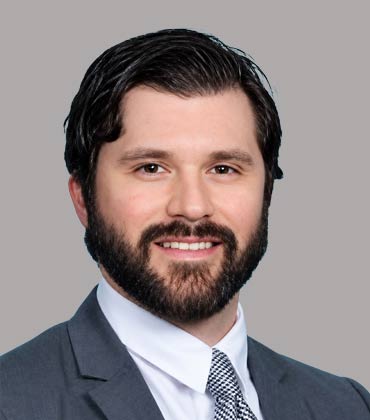
Gabriel Gabaldon
Gabriel Gabaldon earned his Bachelor of Science in Nursing and began his career working as a nurse before transitioning into healthcare administration and long-term care leadership. For more than 13 years, he has specialized in dementia and memory care, leading programs and communities focused on delivering exceptional person-centered care for residents living with cognitive conditions.
Throughout his career, Gabriel has successfully managed and revitalized memory care programs, as well as helped develop and operate new communities from the ground up. He has been deeply involved in recruiting, training, and mentoring staff, with a strong emphasis on building compassionate teams equipped to provide high-quality dementia care. In addition to his clinical background, Gabriel holds a Master of Business Administration, combining healthcare expertise with operational and leadership experience. He currently serves as the Director of Memory Care at Belmont Village Senior Living, where he has been recognized with both the Outstanding Memory Program Director Award and the Creativity and Innovation Award for his leadership and contributions to the field of memory care. Leading with Purpose and Compassion Early in nursing school, I was introduced to dementia care through a simulation lab where physicians were being trained to care for a resident living with dementia. I still remember how many struggled when formal or authoritative approaches failed to connect with the resident. That experience opened my eyes to the emotional and relational side of care that textbooks often overlook. As I continued down the path of memory care, I quickly realized that every aspect of care was different. Personal care, medication administration, communication, socialization, and family support all required a completely different approach. It became clear that providing excellent dementia care meant learning to adapt to the resident, not expecting the resident to adapt to us. Although dementia often follows a predictable clinical progression, it affects every resident and family differently. That understanding shaped my leadership philosophy around truly person-centered care. My passion became learning how to support each resident and family as individuals while creating an environment that feels safe, meaningful, and dignified. Hospitality became my number one focus. Advancing Person-Centered Memory Care I believe one of the biggest challenges is developing a true understanding of the disease while also finding team members who have genuine empathy for the people they serve. Understanding dementia goes far beyond knowing the diagnosis. It means understanding what is happening inside the resident’s brain and recognizing how that impacts behavior, communication, emotions, and daily functioning. When caregivers truly understand the “why” behind behaviors and patterns, they are better equipped to respond with patience, compassion, and purpose. It also helps teams recognize the importance of validating the resident’s reality and creating an environment where the resident feels safe and supported, rather than expecting them to adapt to us. The second challenge is building the right team. Caring for individuals living with dementia requires something deeper than simply following policies and procedures. It requires people who genuinely care, people who see it as a privilege to support residents during one of the most vulnerable stages of life. The most impactful caregivers are those who understand that even small moments of kindness, connection, and joy can make a resident’s entire day better. Organizations that invest in education, mentorship, and a culture of compassion are the ones most likely to deliver exceptional memory care. Balancing Clinical Care with Compassion In our setting, hospitality is the foundation of care, with clinical support working alongside it. Every decision we make centers around how we can help residents feel comfortable, respected, and truly at home.The greatest impact still comes from helping residents feel seen, valued, connected, and joyful one day at a time.
The articles from these contributors are based on their personal expertise and viewpoints, and do not necessarily reflect the opinions of their employers or affiliated organizations.
